Mold Testing vs. Mold Inspection: What's the Difference
The two terms get used interchangeably by a lot of companies, but they're different services — and knowing which one you need can save you money.
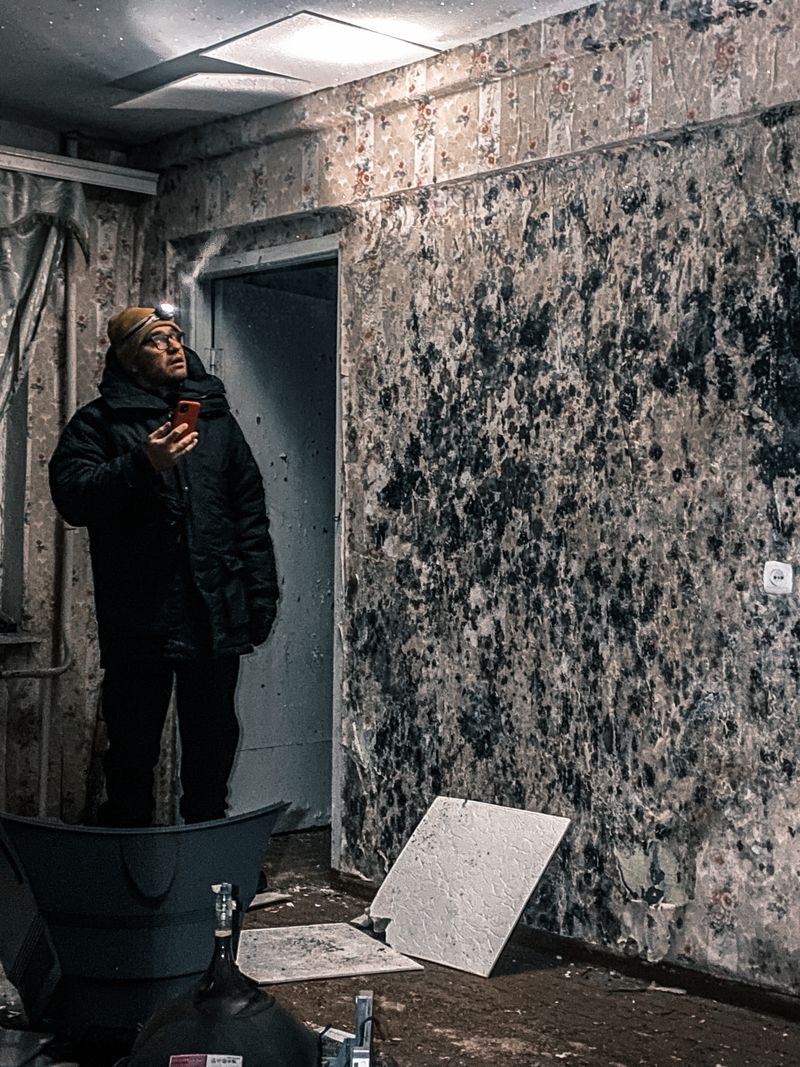
Inspection: what you can see and measure on site
A visual walkthrough plus moisture meter and, where useful, a thermal camera. This identifies visible growth, likely moisture sources, and problem areas — without necessarily sending anything to a lab. If growth is visible and the source is obvious, an inspection alone is sometimes sufficient.
Testing: lab confirmation
Air or surface samples collected and sent to an independent accredited lab, returning species identification and spore counts. This is what you need when there's a musty smell without visible growth, when you need documentation for an insurance claim or real estate transaction, or when you want confirmation before committing to remediation.
Which one you actually need
If you can see the growth and the source is clear — say, a slow leak under a sink with visible spotting on the cabinet floor — an inspection may be enough to scope remediation. If there's a smell with no visible cause, symptoms without an obvious source, or you need results for a third party like an insurer or buyer, testing is the right call. When in doubt, we start with an inspection and add testing on the spot if the situation calls for it.
Quick reference
- Visible growth, clear source → inspection may be enough
- Smell, no visible source → testing
- Insurance or real estate documentation → testing
- Unsure → start with an inspection