Mold Remediation
Containment and removal carried out to IICRC S520 standards, scoped to what the inspection actually found — not the whole room by default.
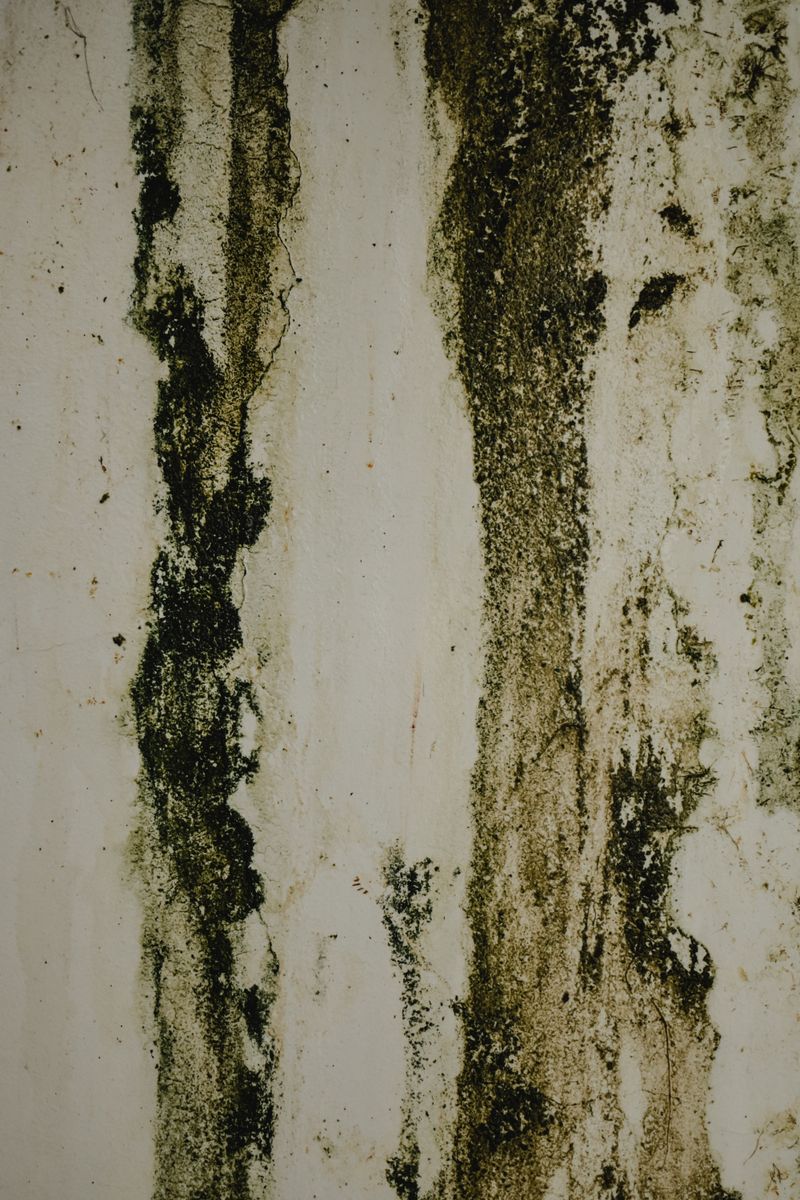
How the removal is contained
The work area is sealed off with plastic sheeting and negative air pressure so spores don't spread into the rest of the house while material is removed. HVAC returns near the work area are sealed for the duration of the job.
Porous material that's absorbed mold growth — drywall, insulation, carpet padding — generally can't be cleaned and gets removed and bagged for disposal. Non-porous surfaces like framing and subfloor are treated with an antimicrobial and, where needed, media-blasted rather than replaced.
Clearance testing
Once the work is done, an independent inspector — not us — takes clearance samples to confirm spore counts are back to a normal background level before we consider the job finished. That result is included with your final paperwork.
What you'll get in writing
- A scope of work tied directly to inspection findings
- Containment and disposal method for each affected material
- Estimated timeline before work starts
- Third-party clearance test results at completion
After remediation
Removal isn't the same as rebuilding. If drywall, flooring, or framing came out, that's handled separately.
Available across Union County
This service is coordinated in each of these towns: