Crawl Space Mold Removal
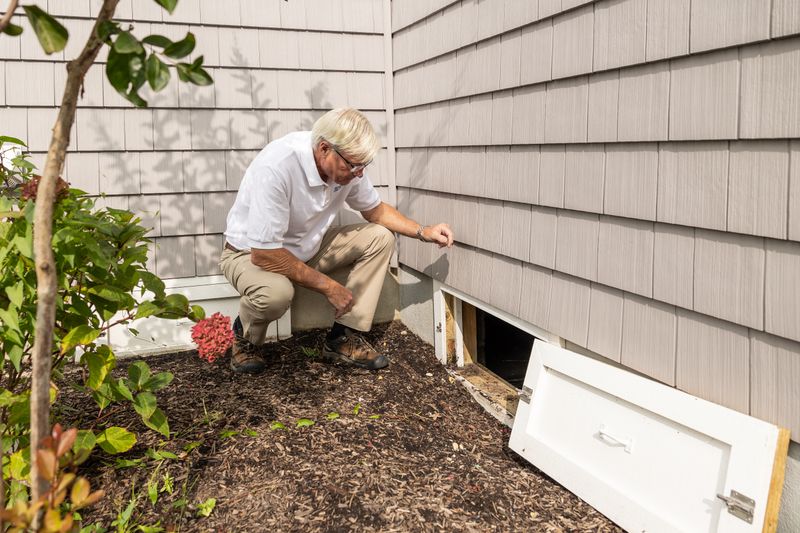
The single most common call we get in Union County. Clay soil doesn't drain well, and a lot of homes here still have an open or poorly vented crawl space underneath.
Why crawl spaces grow mold here specifically
Summer humidity in this part of North Carolina regularly sits above what a vented crawl space can manage on its own. Warm, moist outside air meets a cooler subfloor and condenses on the joists — which is enough moisture for mold to establish even without a plumbing leak.
Add ground moisture from clay soil that doesn't drain quickly, and a missing or torn vapor barrier, and the joists and subfloor stay damp for most of the year.
What we actually do down there
Remove affected insulation and treat exposed wood framing, then address the moisture source directly — usually a new or repaired vapor barrier, sometimes a dehumidifier if the space is semi-conditioned. Removing the mold without fixing the humidity source just means doing the job again in a year or two, so the moisture fix is part of the scope, not an upsell.
Signs it's coming from the crawl space
- Musty smell strongest near the floor, not the ceiling
- Cupping or warping in hardwood flooring above
- Visible condensation on ductwork in the crawl space
- Torn, missing, or absent vapor barrier on the ground
Available across Union County
This service is coordinated in each of these towns: